Oil Prices Surge Amid Escalating Geopolitical Tensions
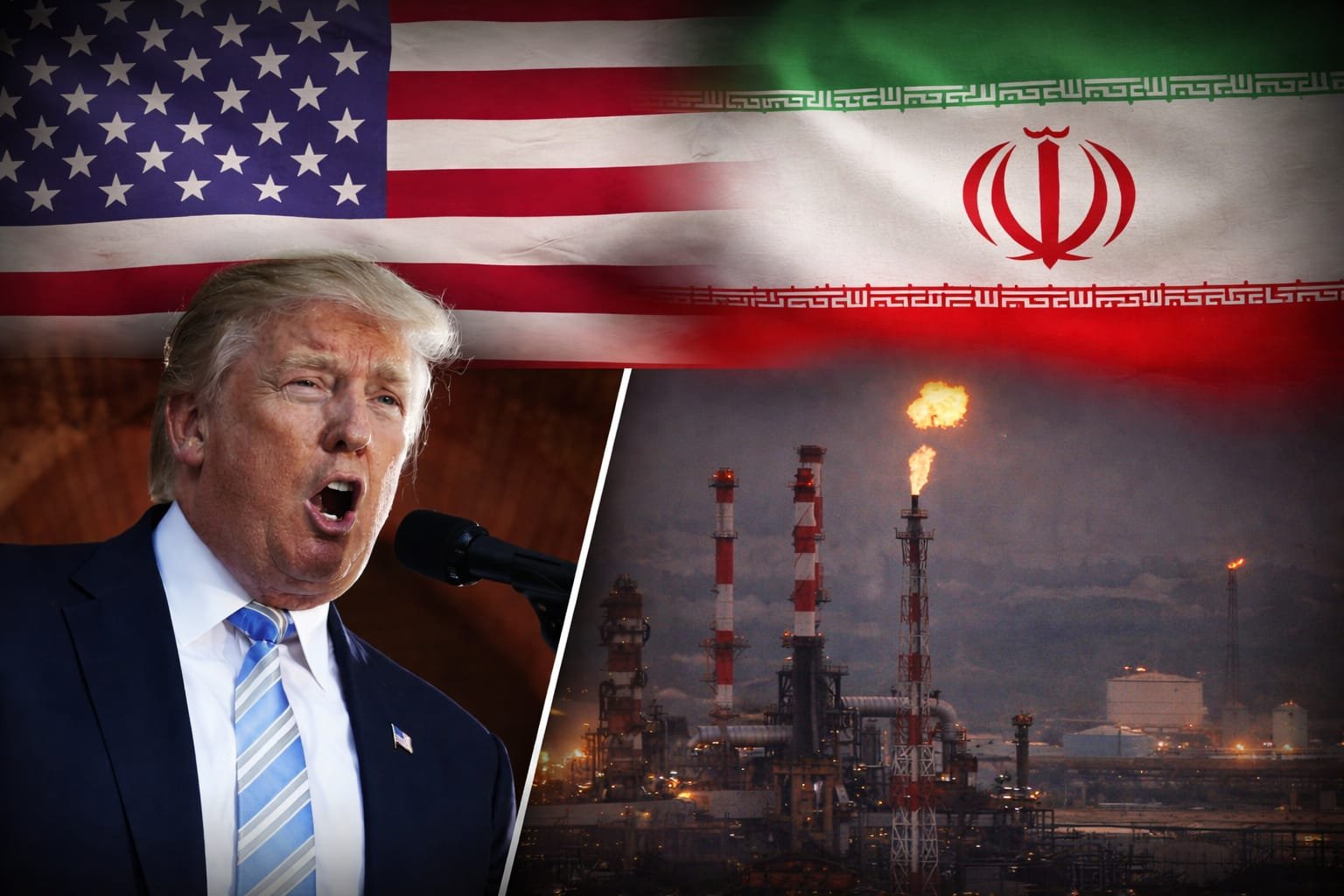
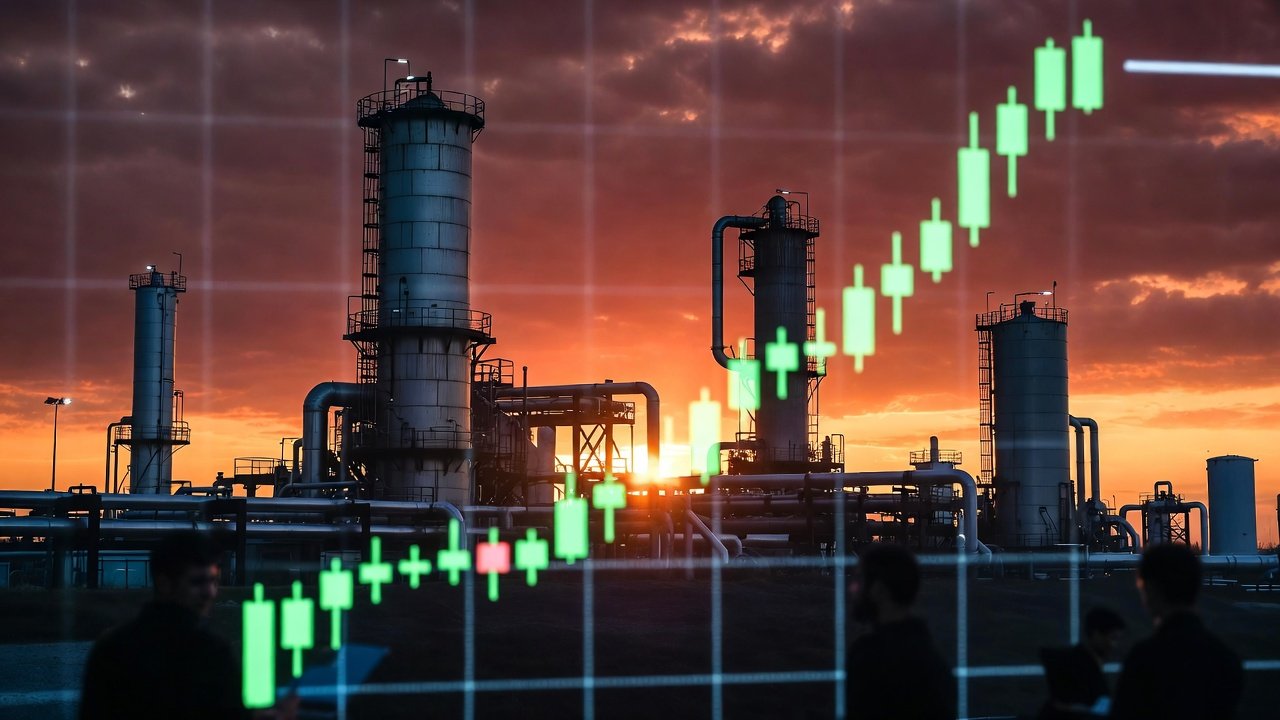
Oil Prices Surge sharply across international markets today as rising geopolitical tensions between the United States and Iran create uncertainty across the global energy sector. Investors reacted quickly to reports of potential military and diplomatic confrontations, pushing crude benchmarks to multi-month highs and triggering volatility in stock markets worldwide.
The sudden spike in oil prices has once again highlighted how sensitive global markets are to geopolitical instability in the Middle East — a region that remains central to worldwide energy supply chains. As fears of supply disruption grow, traders are moving funds into commodities and other safe-haven assets, reflecting a defensive strategy in uncertain times.
Global Markets React to Oil Price Rally
Financial markets across Asia, Europe, and North America opened with mixed sentiment as energy stocks rallied while broader indices faced pressure. Rising crude oil prices typically benefit oil producers but strain industries dependent on fuel, including airlines, logistics, and manufacturing.
Brent crude crossed significant resistance levels, while U.S. West Texas Intermediate also climbed steadily. Analysts say that even the perception of instability in key oil-producing regions is enough to drive speculative buying.
Energy sector companies saw gains, but technology and consumer goods sectors experienced cautious trading. Currency markets also reacted, with oil-exporting nations witnessing relative strength compared to energy-importing economies.
Why Oil Prices Surge So Quickly During Conflict
The Middle East accounts for a large portion of global crude production and export routes. Any disruption — whether physical or political — can significantly tighten supply expectations. The Strait of Hormuz, a vital shipping route, is especially sensitive during periods of conflict rhetoric.
When tensions rise, traders factor in potential supply cuts before they actually occur. This forward-looking behavior often causes oil prices to spike rapidly, even if production remains stable in the short term.
Market experts note that energy markets operate heavily on risk anticipation. Insurance costs for shipments increase, futures contracts rise, and hedge funds increase exposure — all of which amplify price movement.
Impact on Fuel Prices and Inflation
As Oil Prices Surge, consumers worldwide are likely to feel the impact at petrol pumps in the coming weeks. Retail fuel prices typically follow global crude trends with a slight delay. Countries heavily dependent on oil imports could face renewed inflationary pressure.
Rising fuel costs affect transportation, food distribution, electricity generation, and manufacturing inputs. Economists warn that prolonged elevated oil prices may complicate central bank strategies aimed at controlling inflation.
Several governments are monitoring the situation closely, with some considering strategic petroleum reserve releases if volatility continues.
Political Statements Add to Market Anxiety
Recent statements from political leaders have intensified market speculation. Former U.S. President Donald Trump also commented on the evolving geopolitical situation, adding to the broader political discourse surrounding U.S. foreign policy.
While no direct military action has been confirmed, diplomatic rhetoric alone has proven sufficient to influence investor sentiment. Markets remain sensitive to any official announcement that could either escalate or ease tensions.
Global diplomatic channels are reportedly active, with several international leaders urging restraint and dialogue to prevent further destabilization.
Energy Stocks Rally as Investors Hedge Risk
While broader markets show caution, energy stocks are emerging as clear beneficiaries of the oil rally. Major oil corporations experienced a surge in share prices as investors sought exposure to higher crude valuations.
This shift reflects a classic risk-hedging strategy. When geopolitical uncertainty rises, commodities like oil and gold often outperform traditional equities.
Commodity-focused exchange-traded funds also recorded increased trading volumes, indicating strong investor interest in protective assets.
Emerging Economies Face Pressure
Emerging markets that rely heavily on oil imports are particularly vulnerable during periods when Oil Prices Surge. Higher import bills can widen trade deficits and put pressure on local currencies.
Nations in South Asia and parts of Africa may need to increase subsidies or adjust fiscal policies to manage rising fuel costs domestically. Currency depreciation could further amplify inflationary trends.
On the other hand, oil-exporting countries stand to benefit from improved revenue streams if elevated prices persist.
Strategic Reserves and Supply Buffer
Several countries maintain strategic petroleum reserves designed to stabilize markets during emergencies. If tensions escalate significantly, coordinated releases could be used to moderate price spikes.
Energy experts believe that current global reserves are sufficient to handle short-term disruptions. However, prolonged geopolitical instability would require sustained diplomatic efforts rather than temporary supply injections.
Market stability depends heavily on clear communication from policymakers and oil-producing nations.
Global Economic Outlook Remains Uncertain
The broader economic outlook now hinges on whether tensions ease or intensify. If diplomacy prevails, oil prices may stabilize and retrace gains. However, any confirmed disruption to production or transport routes could push prices even higher.
Financial institutions are revising short-term forecasts, factoring in potential volatility across commodities and currencies. Analysts suggest that investor caution will likely continue until clearer geopolitical signals emerge.
What Investors Should Watch Next
Market participants are closely monitoring:
-
Official diplomatic announcements
-
Military activity reports
-
OPEC production statements
-
Strategic reserve policies
-
Inflation data linked to fuel prices
Any of these developments could significantly influence price direction in the coming days.
Conclusion: A Market Driven by Uncertainty
Oil Prices Surge not only because of physical supply concerns but because of psychological market reactions to geopolitical uncertainty. As tensions between the United States and Iran dominate global headlines, investors are adjusting portfolios to manage risk exposure.
The coming days will be crucial in determining whether this price rally is temporary or the beginning of a sustained upward trend. For now, global markets remain alert, consumers prepare for potential fuel cost increases, and policymakers face renewed pressure to maintain economic stability.
Energy markets have once again proven that geopolitics and economics are deeply intertwined. Whether through diplomacy or escalation, the next chapter of this situation will shape financial markets worldwide.
What do you feel about this post?

Like

Love

Happy

Haha

Sad